Just another writer
-

Today’s saint picture: Saint Bonaventure
St Bonaventure Oratory was one of those shadow parishes in the archdiocese which was still in the list of churches that I got from the directory, but had been relegated at some point in the past (trying to determine whether a church has been relegated is its own little challenge, I’ve found with some parish…
-

Today’s saint picture: Saint Procopius
Family duties meant that I wouldn’t be able to visit Saint Procopius church today so I decided to draw Saint Procopius instead. He was an 11th century Czech Benedictine monk who was the namesake, not only of the parish on the west side of Chicago but also of the abbey attached to Benedictine University in…
-

Catholic nerd pilgrimage: Saint Veronica
One of the strange things with the Renew My Church process is that occasionally churches end up becoming part of parishes which have a completely different name than any of the churches that are used as worship sites. And sometimes what ends up happening is that a parish formed from two or more legacy parishes…
-
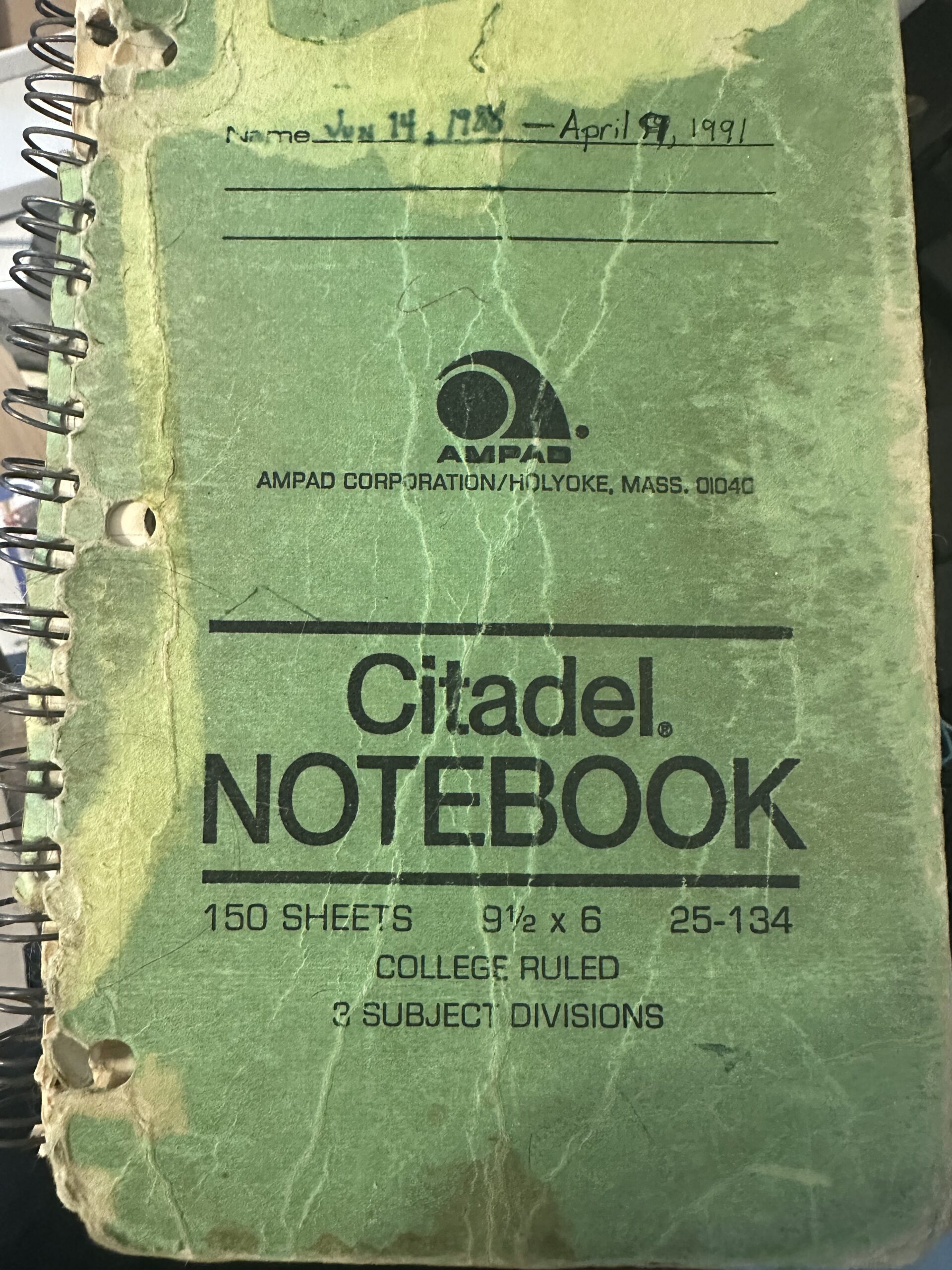
A visit with my younger self: 20 August 1988
At the end of the summer of 1988, UIC where I was working, paid for me to go to the TeX Users Group conference in Montréal. This was my first time traveling alone and, as an added bonus, leaving the country as well, back in an era when it was possible to visit Canada without…
-
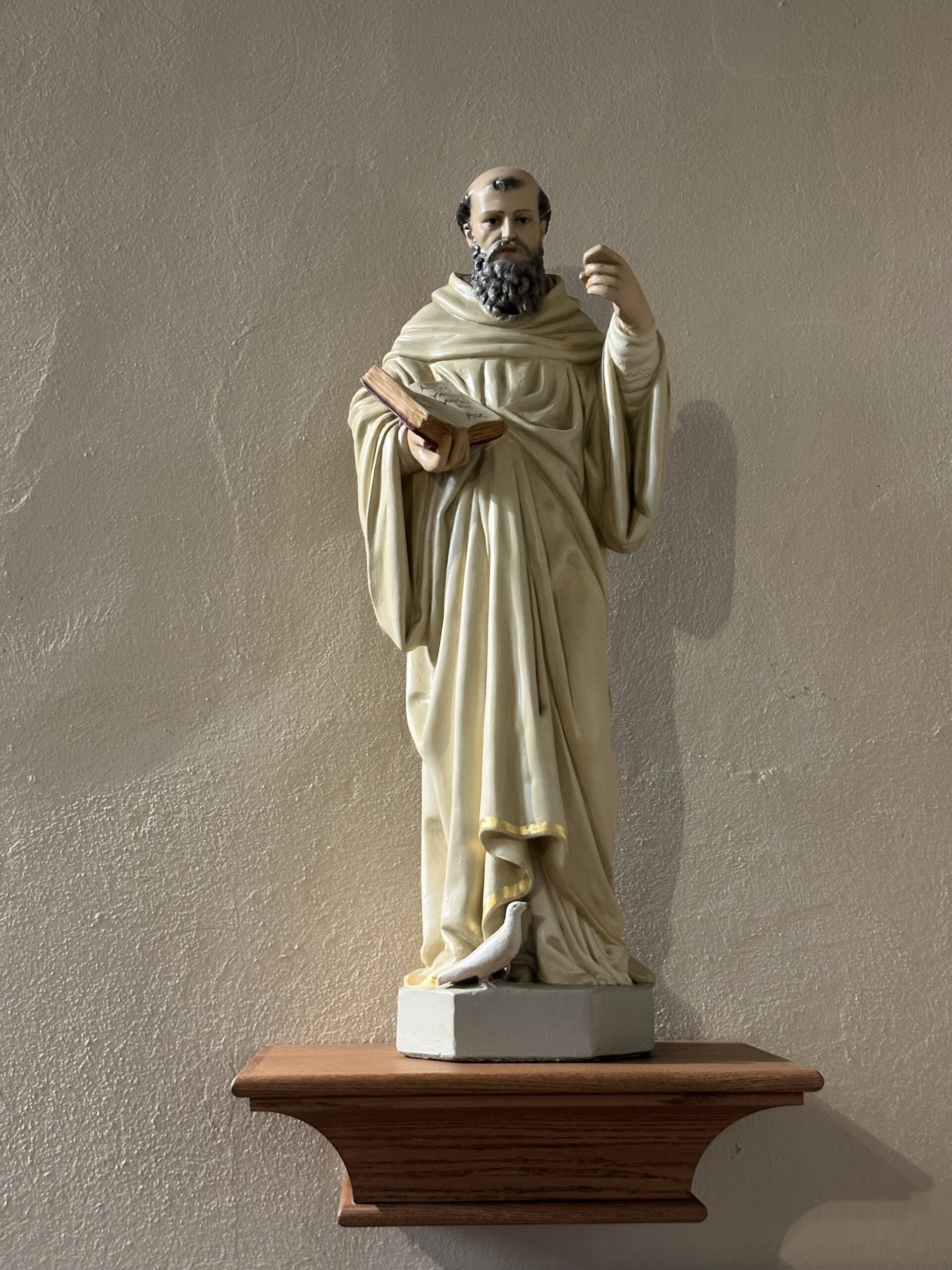
Catholic nerd pilgrimage: Saint Benedict
Today is the feast of St Benedict, the founder of the monastic order which bears his name. The archdiocese has two St Benedict churches, but one has a name at least partially subsumed by the new parish name (they have multiple worship sites, so it’s still St Benedict Church but it’s St Mary Magdalene Parish).…
-
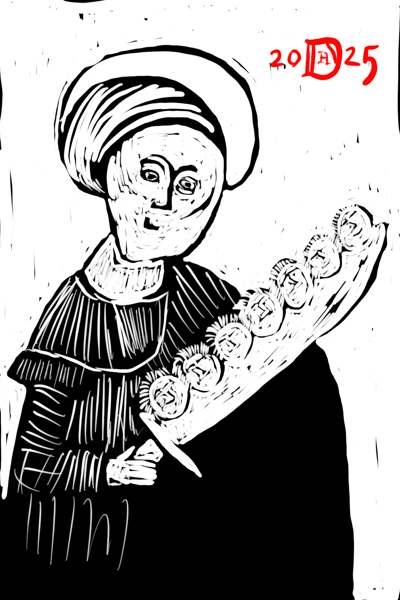
Today’s Saint Picture: Seven Holy Brothers
I ended up choosing today’s saint, I went with the Seven Holy Brothers, the children of Saint Felicitas, not because of anything about the brothers themselves, of which little is known and much that is said is likely to be false, but because the picture that I worked from today, taken from an illustration in…
-
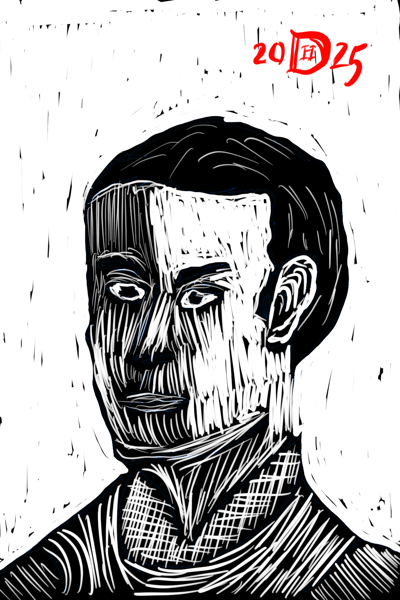
Today’s saint picture: Saint Mary Zhu Wu
Today’s saint is Saint Mary Zhu Wu, a Chinese lay Christian who was martyred during the Boxer rebellion in China. I continue my experiments with Procreate, although I had a bit of a mishap today. I had created my preliminary sketch in blue but I forgot to start a new layer when I did the…
-
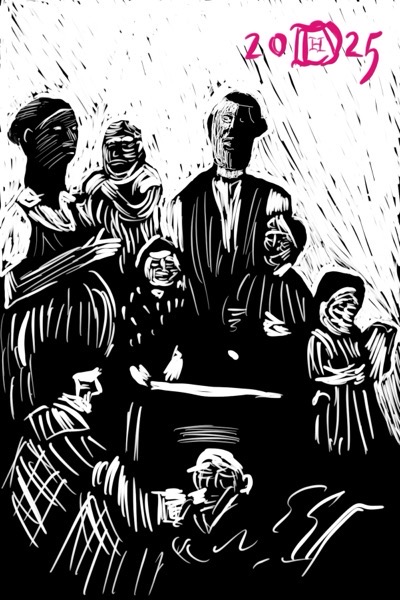
Today’s saint picture: Blessed Ulma family
Married saints are unfortunately rare in the Catholic church and married saints who actually had sex, let alone children, are even rarer, but the Ulma family form one of the rare correctives to this. Józef and his wife Wiktoria and their family hid Jews from the Holocaust in their home until they were all summarily…
-
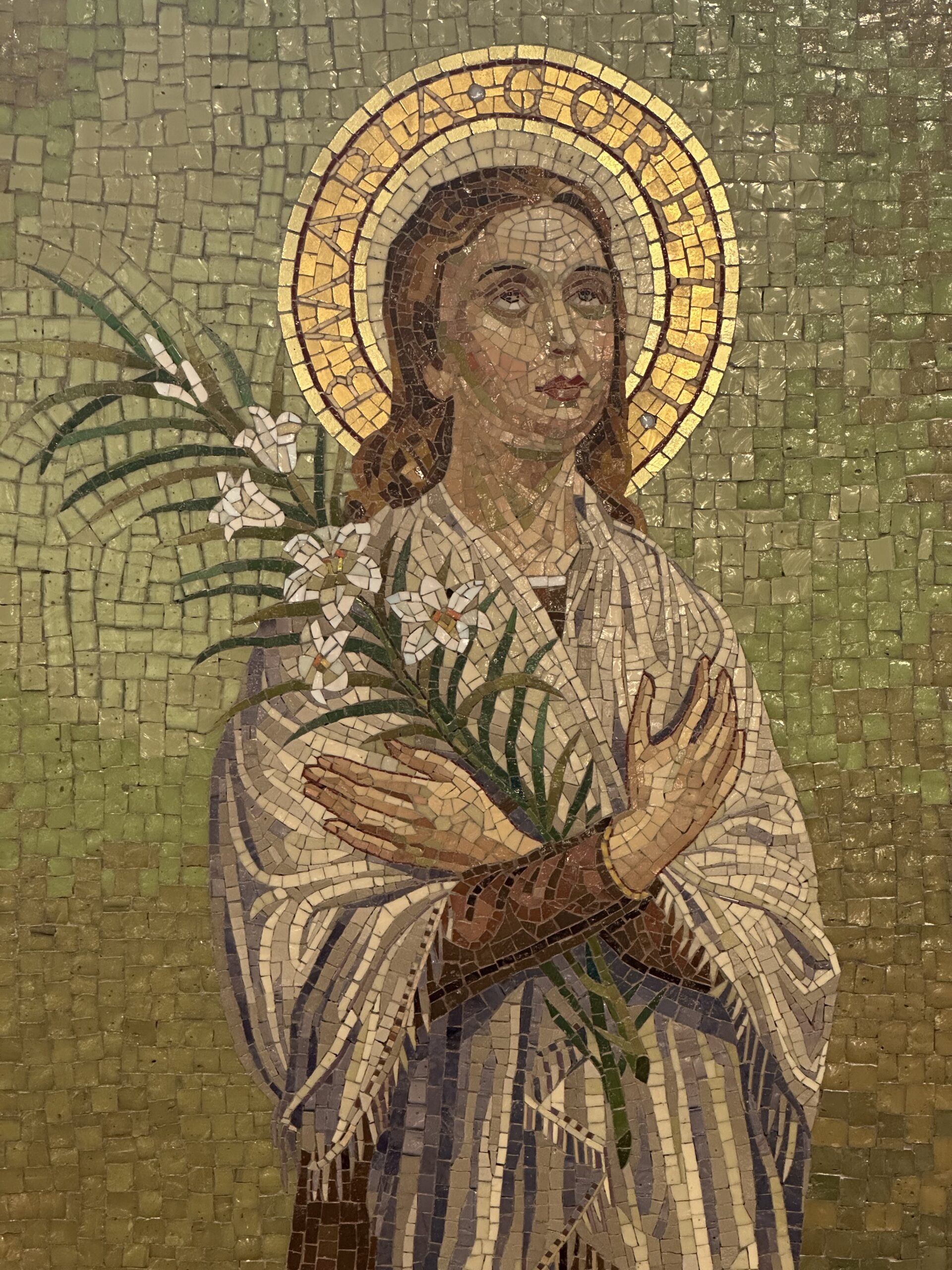
Catholic nerd pilgrimage: Holy Virgin Martyrs (St Maria Goretti)
Today, being the feast of Saint Maria Goretti, I trekked to the parish of Holy Virgin Martyrs formed by the merger of the legacy parishes of Saint Maria Goretti and Saint Beatrice. The parish uses the former Saint Beatrice church for worship under the combined patronage of both saints. The Mass was generally fine, with…